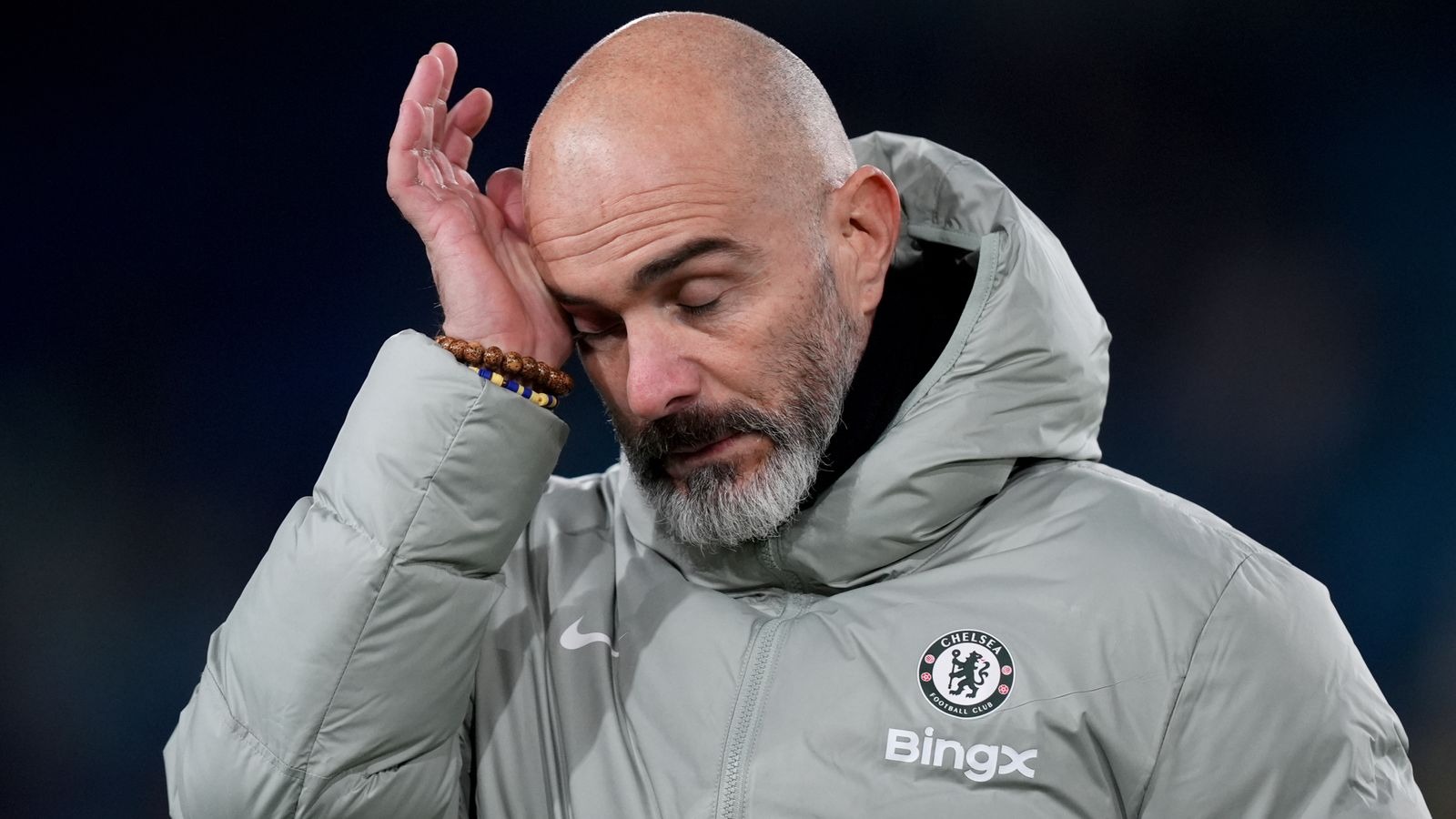
Enzo Maresca leaves Chelsea with immediate effect
Chelsea have parted ways with manager Enzo Maresca with immediate effect, the club confirmed early Thursday morning, following a run of results deemed unacceptable by Chelsea’s standards.
In a statement, Chelsea thanked the Italian for his time at Stamford Bridge, adding, “We wish Enzo well for the future.” The club said it believes a managerial change is necessary to meet its objectives, which include qualification for next season’s Champions League.
Despite being winless in their last three matches, Maresca oversaw a period of tangible success during his tenure, leading Chelsea to both the UEFA Conference League and the FIFA Club World Cup titles. He was also nominated for Premier League Manager of the Month in November. Maresca still had two years remaining on his contract at the time of his dismissal.
Sources indicate tensions had grown behind the scenes in recent months. With rumours circulating over a potential summer departure for Pep Guardiola from Manchester City, Maresca informed Chelsea that he had held discussions with individuals connected to City regarding the possible vacancy. According to The Athletic’s David Ornstein, those talks took place twice, first in late October and again in mid-December, shortly after Maresca’s unusual press conference following Chelsea’s win at Everton.
Chelsea’s Managerial Instability
Since the takeover of Chelsea by American owner Todd Boehly, the club has now appointed six managers, highlighting ongoing instability at the top of the football operation.
However, options remain. Liam Rosenior, currently in charge of fellow BlueCo-owned club Strasbourg, has emerged as a potential internal candidate. Ornstein has also reported that Crystal Palace manager Oliver Glasner is not under consideration.
Chelsea are not traditionally a club inclined to wait for long-term improvement once doubts emerge. Maresca previously pointed to Arsenal manager Mikel Arteta as an example of a coach given time and institutional backing, suggesting he felt “entitled to a similar level of protection and control over the club’s project.” That level of support, he believed, was ultimately not afforded to him.
Post a comment